
HV10667
Impruneta
Florence Countryside and Chianti
Weddings 2027
A Renaissance hamlet, all yours
Vineyards, cypresses and stone farmhouses between Florence and Siena.
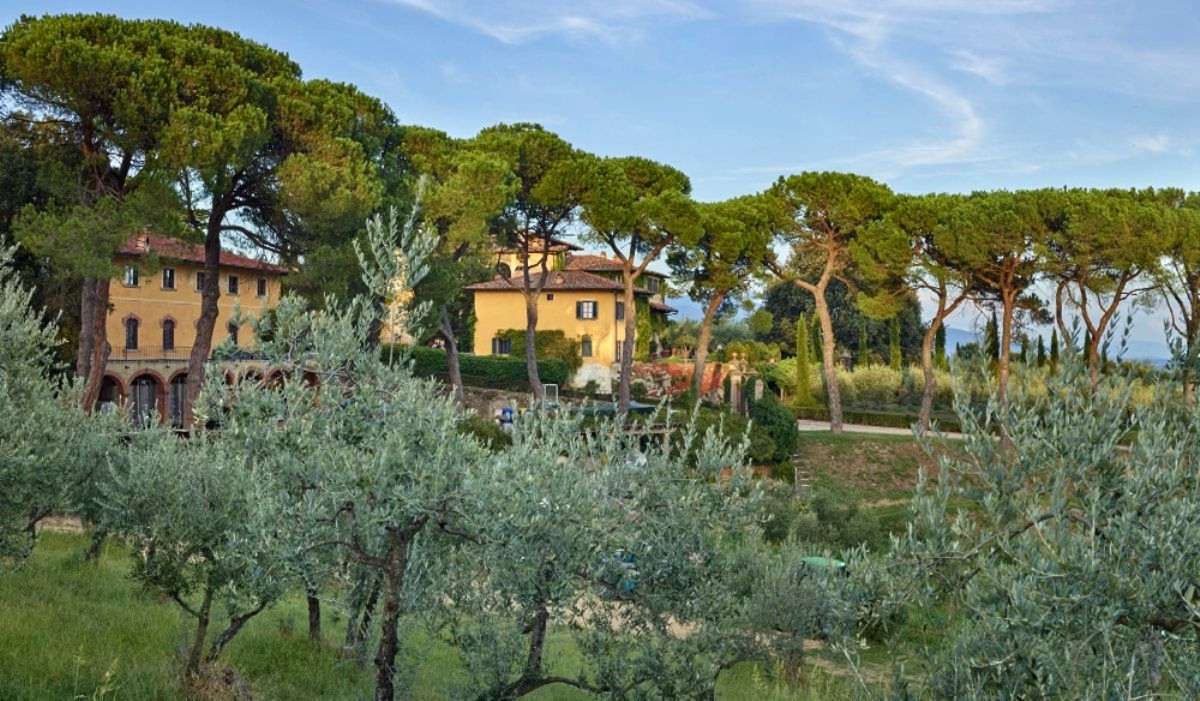
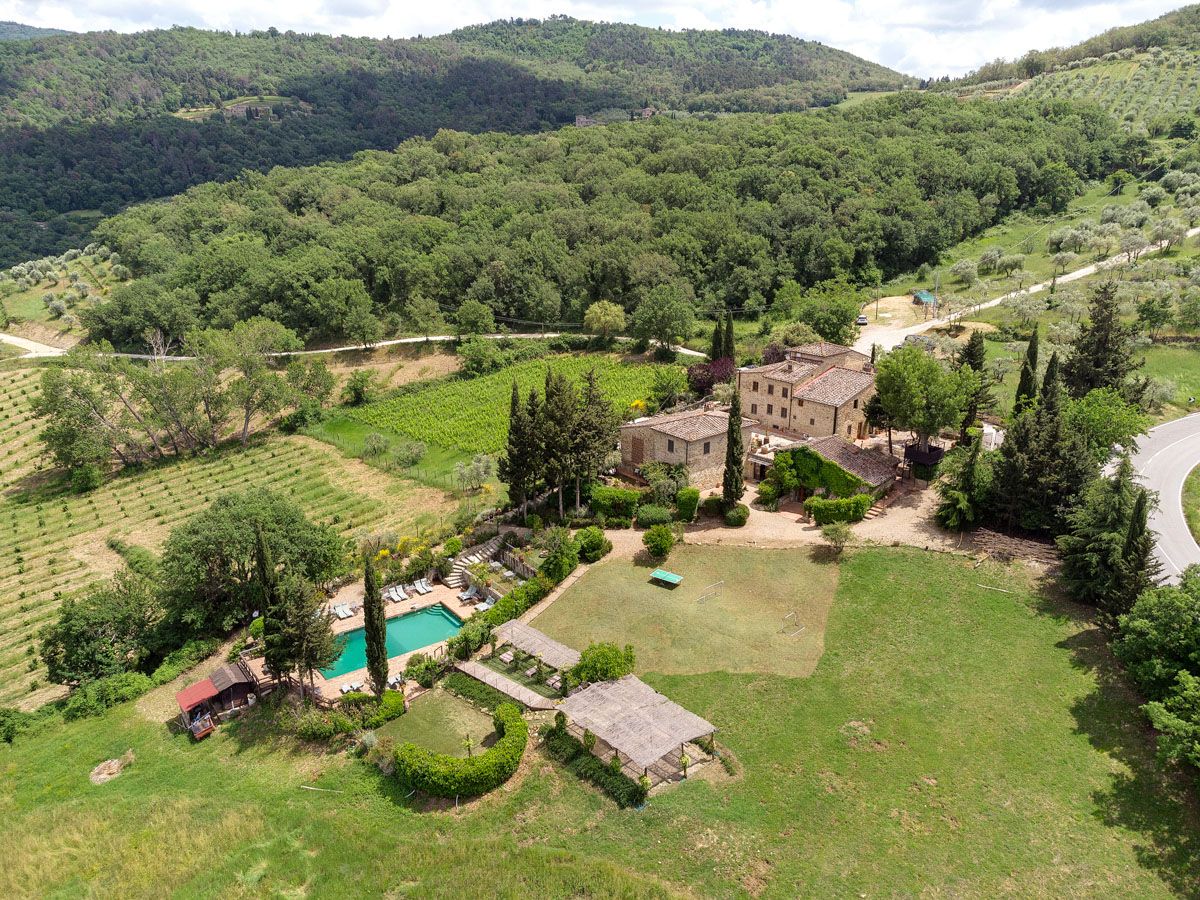
Between Florence and Siena lies the landscape most people picture when they dream of Tuscany: vine rows combed across the slopes, silver olive groves, cypress avenues leading to stone farmhouses and castle estates that have made wine for centuries. The Chianti Classico hills are close enough to Florence for an evening at the opera, yet the nights are dark, quiet and scented with rosemary.
This is country for slow days. Mornings start with a walk between vineyards, afternoons with a tasting in a cellar beneath a medieval tower, and evenings with dinner under a pergola. It suits families gathering for a milestone, friends who love wine and food, and anyone who wants Florence and Siena within easy reach of a private retreat.
Ideal for: Large families and groups, Weddings, Food and wine · Relaxed, rural and wine focused

closest airport to the northern Chianti villages
wide choice of European and seasonal routes
good for long haul connections
practical when combining Rome and Tuscany
We arrange private transfers, drivers, boats and helicopters for every villa.
A lively market town with an arcaded, funnel shaped piazza and the region's main wine fair.
A small hilltop village above the Conca d'Oro, a natural amphitheatre of vineyards with some of the finest Sangiovese.
A compact walled village at the heart of the old Chianti League, cool in summer and surrounded by woods.
A fortified village with a covered medieval passageway along its walls, well placed for Siena.
Gateway to the castles of Brolio, Meleto and Vertine, set among thick oak forests.
Gentle countryside just south of Florence, ideal for combining villa life with city days.
Positions are approximate: the exact address is shared once your stay is confirmed.
The town's triangular arcaded square is lined with butchers, wine shops and cafés. Saturday morning brings the weekly market.
An eleventh century Vallombrosan abbey rising from vineyards, with towers and cypresses that look almost theatrical. The monastery refectory holds a Last Supper fresco by Domenico and Davide Ghirlandaio.
The ancestral seat of the Ricasoli family, where Baron Bettino Ricasoli set down an early formula for Chianti wine in the nineteenth century. The gardens and ramparts look out over vineyards towards Siena.
A tiny fortified hamlet above Radda, where cellars and a winery are hidden inside medieval buildings and a deconsecrated church.
A ring shaped walled hamlet above Greve, among the best preserved in the region and wonderful for a short evening stroll.
A golden bowl of vineyards below Panzano, at its most beautiful in October when leaves turn copper and amber.
On the western edge of the region, this UNESCO listed town preserves fourteen of its medieval towers. Visit late in the day once coach groups have left.
Tour historic estates and small family wineries, tasting Chianti Classico Riserva and Gran Selezione with the people who make them.
Join the pressing in late October and November and taste peppery new oil straight from the mill on toasted bread.
Search the woods for seasonal truffles, then cook them simply with eggs or fresh pasta.
Ride the gravel strade bianche between villages on an e bike or road bike, with luggage and tastings arranged along the way.
Drift above vineyards and castles as the morning mist lifts from the valleys.
Learn the art of the Florentine steak from a local butcher and grill it yourself over olive wood.
A short, gentle hike from Greve's hilltop hamlet to a Romanesque parish church.
A woodland and vineyard trail linking two of the most atmospheric villages.
The wooded ridge east of Greve and Radda, cool in summer and rich in wild boar and chestnut trees.
Ancient woodland near Castellina with marked trails and quiet clearings.



A soft Tuscan salami flavoured with wild fennel seeds, sliced thickly on unsalted bread.
The great Tuscan steak, served rare and generously shared at the table.
Grassy, peppery extra virgin oil, at its finest when freshly pressed in November.
A native breed of black and white pig reared semi wild in the woods, prized for its cured meats.
Wide ribbons of fresh pasta with a slow cooked wild boar sauce.
A rustic, pepper rich beef stew traditionally cooked with red wine, linked to the kilns of Impruneta.
Sangiovese at its most expressive, identified by the black rooster seal, with Annata, Riserva and Gran Selezione tiers.
A rich, amber sweet wine from dried grapes, the traditional close to a Tuscan meal.
A crisp white from the towered town on the region's western edge, Italy's first DOC wine in 1966.
Many Chianti estates also produce celebrated blends with Cabernet or Merlot outside the DOCG rules.
Renaissance masterpieces, artisan workshops and the Duomo.
A Gothic city with one of Italy's most beautiful squares.
Medieval towers and Vernaccia wine on a ridge above the Val d'Elsa.
A perfectly circular walled village crowned with towers, on the Via Francigena.
An Etruscan city famous for alabaster carving and dramatic hilltop views.
May, June, September and October. The harvest in September and October is magical. July and August are hot and perfect for life around the pool.
April and May bring wildflowers, poppies and fresh green vines, with cool evenings and quiet roads. It is ideal for walking and cycling.
Long, hot days are best spent by the pool, with tastings in the cool of the cellars and dinners outdoors. Hilltop villages stay pleasantly breezy at night.
The harvest season is the region's finest moment, with golden light, busy cellars and new olive oil from late October. Book early for September and October.
Quiet and atmospheric, with misty mornings, fireplaces and hearty cooking. Some restaurants and wineries close or reduce hours between January and March.
Bars: hours of sunshine a day. Above: average daytime high. Shaded: the best months.
| Month | Jan | Feb | Mar | Apr | May | Jun | Jul | Aug | Sep | Oct | Nov | Dec |
|---|---|---|---|---|---|---|---|---|---|---|---|---|
| Daytime high, °C | 11 | 13 | 16 | 20 | 24 | 29 | 32 | 32 | 27 | 22 | 16 | 11 |
| Night low, °C | 2 | 3 | 5 | 8 | 12 | 16 | 18 | 19 | 15 | 11 | 6 | 3 |
| Sunshine, hours a day | 3 | 4 | 5 | 6 | 8 | 9 | 10 | 9 | 7 | 5 | 3 | 3 |
| Rainy days | 8 | 7 | 7 | 9 | 8 | 5 | 3 | 4 | 6 | 9 | 10 | 10 |
| Dry days | 24 | 21 | 24 | 21 | 23 | 25 | 28 | 27 | 24 | 22 | 20 | 21 |
Air: averages 1991 to 2020, Florence Peretola weather station. Dry days have less than 1 mm of rain.
Tell us your dates and the group: we reply with availability and the full price, usually within one working day, and arrange transfers, chefs and boats.
Chianti Classico is the historic heartland between Florence and Siena, with its own DOCG and black rooster seal. Chianti DOCG covers a much wider area of Tuscany with different rules and several subzones.
Greve and Panzano are central and lively, Radda and Gaiole feel more remote and wooded, and Castellina is well placed for Siena. The countryside around San Casciano is ideal if you want frequent days in Florence.
Greve in Chianti is about 40 minutes by car from Florence. The southern villages such as Gaiole and Castellina are around an hour away.
May, June, September and October are ideal. Autumn adds the grape harvest and the new olive oil season.
A few estates have wine shops open to walk in visitors, but most tours and seated tastings need a reservation, ideally several days ahead in high season.
Register as a trade partner for your private area, villas of the month and quotes in one place.