HV1651263766
Rome
Rome
Our pick in Rome
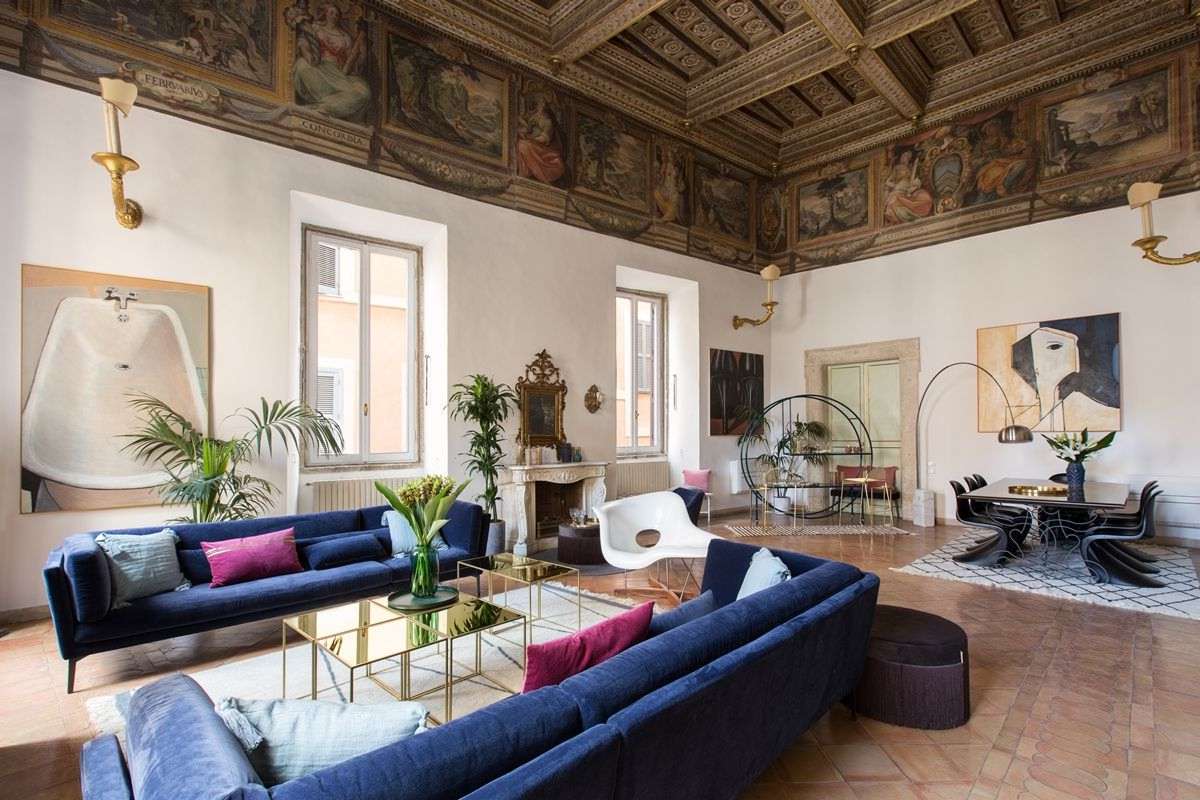
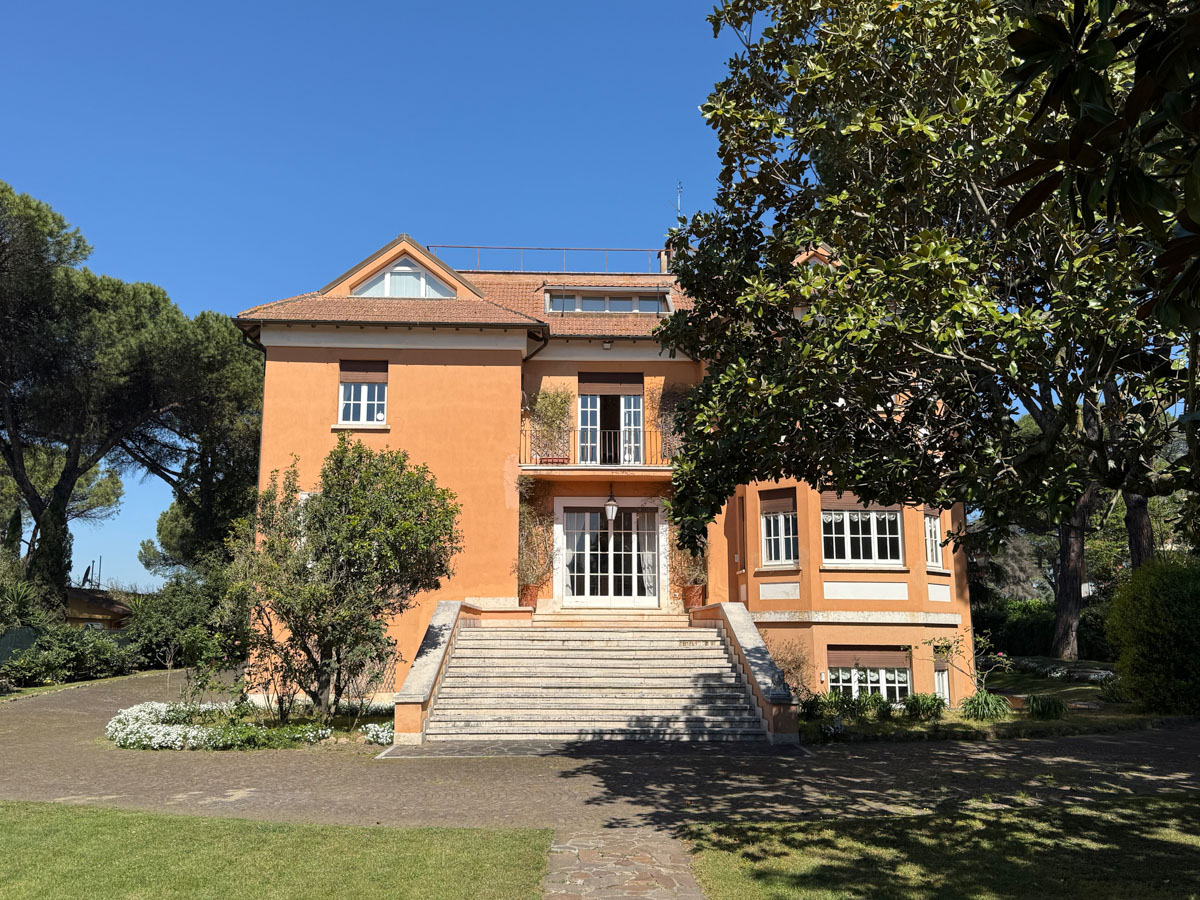
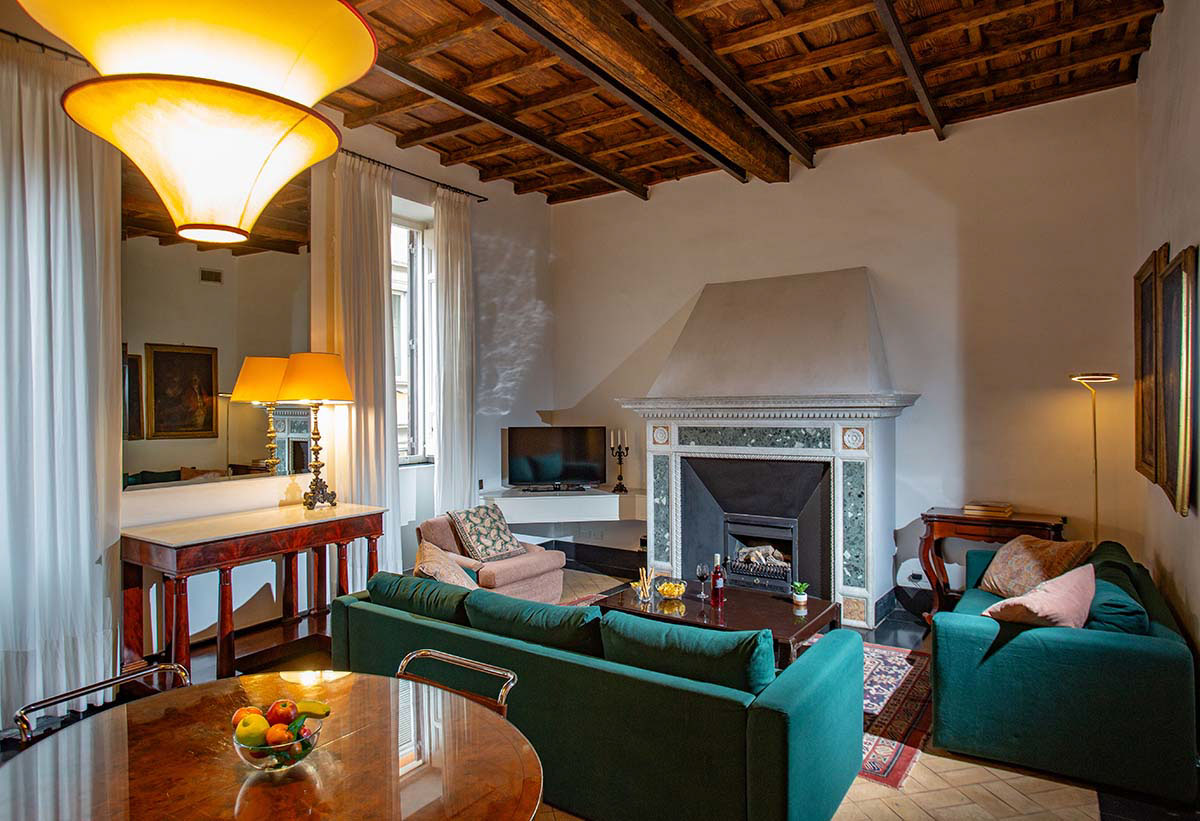
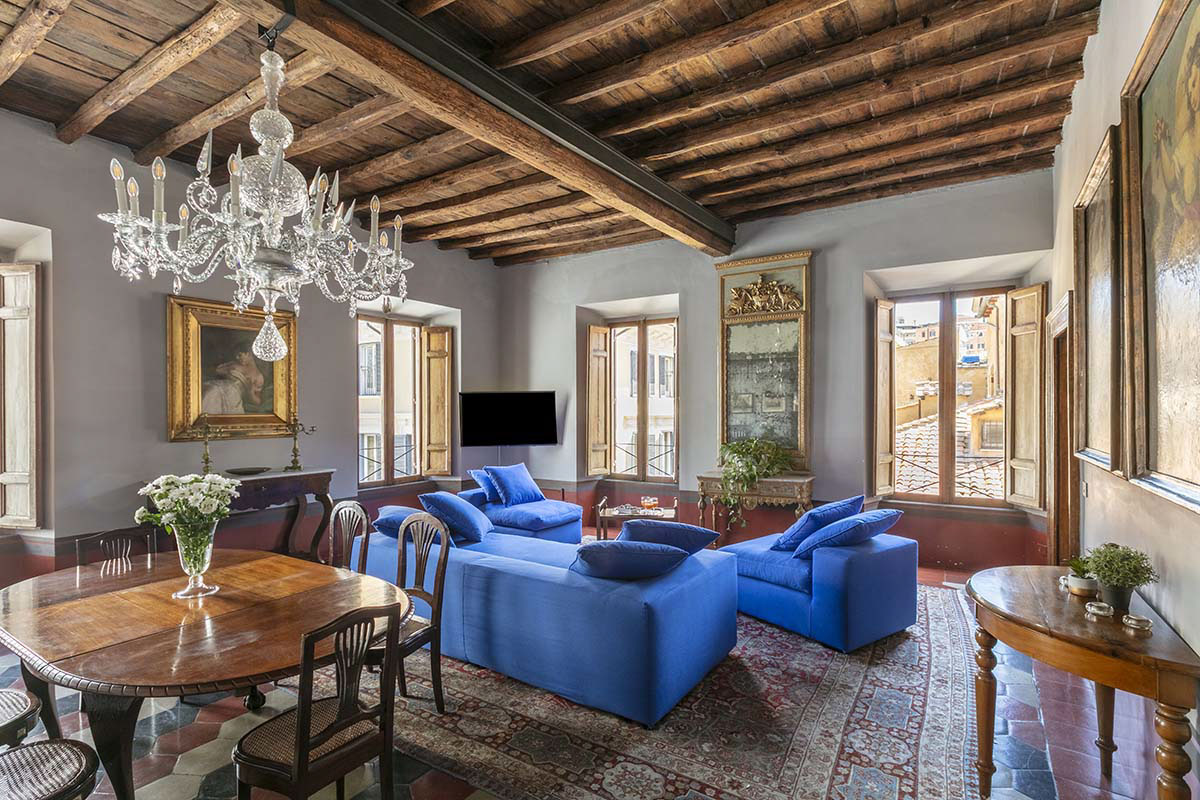
The Eternal City from a private apartment or palazzo in the historic centre.
Few cities let you breakfast beside a two thousand year old temple and dine under Baroque domes the same evening. Rome layers ancient ruins, Renaissance palaces and lively neighbourhood piazzas into one walkable centre, and a private villa or palazzo apartment gives you a calm base from which to explore it at your own rhythm, returning to shaded terraces and quiet courtyards after the crowds.
The Eternal City suits first time visitors chasing the great monuments, families who want history made vivid, and returning travellers in search of hidden churches, artisan workshops and long Roman lunches. It rewards slow mornings and late evenings, when the light turns golden and the streets of the centre belong once more to the Romans.
Ideal for: Culture, Families, City stays · Leisurely, mostly on foot with short taxi hops


Main intercontinental gateway; the Leonardo Express train reaches Roma Termini in about 32 minutes
Smaller airport used mainly by European low cost carriers and private aviation
We arrange private transfers, drivers, boats and helicopters for every villa.
The tangle of lanes around the Pantheon, Piazza Navona and Campo de' Fiori puts the major sights on your doorstep. Lively by day and atmospheric at night.
Ivy draped facades, cobbled alleys and a strong neighbourhood spirit across the Tiber. Evenings here are animated and convivial.
A village feel just behind the Imperial Forums, with independent boutiques, wine bars and easy access to the Colosseum.
Leafy, residential and remarkably quiet, with orange gardens and views over the city. A peaceful retreat close to the Circus Maximus.
Elegant residential streets bordering Rome's great landscaped park, close to the Galleria Borghese and Via Veneto.
Villas set among pines and Roman tombs along the ancient Appian Way, a short drive from the centre yet feeling like countryside.
Positions are approximate: the exact address is shared once your stay is confirmed.
The heart of ancient Rome, best seen with an expert guide who can bring the ruins to life. Timed entry tickets should be reserved well ahead.
Nearly two millennia old, its unreinforced concrete dome still astonishes architects. A small entry ticket has been required since 2023.
One of the world's greatest art collections, ending beneath Michelangelo's ceiling. Early or private access avoids the densest crowds.
Bernini's colonnade embraces the piazza while the basilica holds Michelangelo's Pietà. The climb to the dome repays the effort with a sweeping view.
An intimate villa museum where Bernini's marble sculptures seem to breathe. Visits are by advance reservation only, in timed slots.
Rome's most theatrical fountain, best seen early in the morning. Since February 2026 a small ticket is required to approach the basin.
Vast imperial bath complex whose scale is still overwhelming, and in summer the backdrop to open air opera.
A Baroque oval built on the footprint of an ancient stadium, framed by Bernini's Fountain of the Four Rivers.
Small group or private openings allow the Sistine Chapel to be seen in rare quiet.
A playful way to cover the hills and viewpoints, from the Aventine keyhole to the Janiculum terrace.
Learn the four classic pastas with a chef in a private home or villa kitchen, then sit down to eat them.
Shop with a local guide for artichokes, cheese and cured meats, tasting as you go.
Ride on ancient basalt paving past catacombs and aqueducts in the Appia Antica park.
Visit bookbinders, framers and leather craftsmen still working in the lanes around Via dei Coronari and Via Giulia.
Rome's green lung, with a boating lake, shaded avenues and the Pincio terrace overlooking Piazza del Popolo.
A gentle walk up from Trastevere leads to one of the finest panoramas of the city's domes.
Miles of ancient road, pine trees and ruins, ideal for walking or cycling on a Sunday when part of the road is closed to traffic.
The city's largest landscaped park, with lawns and pines for a long morning run or picnic.
For a swim, the whitewashed town of Sperlonga and its sandy beaches lie about 2 hours south by car.
Pecorino Romano and black pepper whisked into a silky sauce, deceptively simple and hard to perfect.
Egg yolk, guanciale and pecorino, never cream, served with spaghetti or rigatoni.
Whole artichokes fried until crisp like a flower, a speciality of the old Jewish Ghetto in spring.
Fried rice croquettes with a molten mozzarella heart, Rome's favourite street snack.
Veal escalopes with prosciutto and sage, finished in white wine and butter.
A soft sweet bun split and filled generously with whipped cream, eaten at breakfast.
The crisp white of the Castelli Romani hills, made in a DOC version and a fuller Superiore DOCG.
Lazio's most distinctive red, juicy and gently spiced, from the hills south east of Rome.
A younger appellation covering reds and whites from vineyards surrounding the capital.
Two UNESCO sites in one day: the fountains of Villa d'Este and Hadrian's vast villa below the town.
Rome's ancient port, with streets, mosaics and a theatre preserved in a peaceful pine setting.
Volcanic lakes, the papal town of Castel Gandolfo and porchetta in Ariccia.
A clifftop Umbrian town crowned by one of Italy's most spectacular cathedrals.
A tiny medieval village on an eroding tufa crag, reached on foot across a slender bridge.
April to June and September to October. August is very hot and some restaurants close; winter is mild and quieter.
Mild days, wisteria on old walls and artichokes on every menu make spring arguably the finest moment to visit. Easter week brings large crowds to the Vatican, so book early.
Hot and bright, with temperatures often above 30°C in July and August. Plan sightseeing early and late, and keep the afternoons for a pool or a shaded terrace.
Warm light, fewer queues and the new season's wine and olive oil make September to November especially rewarding.
Cool, often sunny and much quieter, with festive lights and nativity scenes in December. Museums are calmer, though some days bring rain.
Bars: hours of sunshine a day. Above: average daytime high. Shaded: the best months.
| Month | Jan | Feb | Mar | Apr | May | Jun | Jul | Aug | Sep | Oct | Nov | Dec |
|---|---|---|---|---|---|---|---|---|---|---|---|---|
| Daytime high, °C | 12 | 13 | 16 | 19 | 22 | 28 | 31 | 32 | 27 | 22 | 17 | 13 |
| Night low, °C | 3 | 3 | 6 | 9 | 13 | 17 | 19 | 20 | 16 | 12 | 9 | 5 |
| Sunshine, hours a day | 5 | 6.1 | 6.6 | 7.4 | 8.9 | 10 | 10.9 | 10.3 | 7.9 | 6.5 | 5.1 | 4.7 |
| Rainy days | 7 | 8 | 7 | 7 | 6 | 3 | 2 | 2 | 6 | 7 | 9 | 9 |
| Dry days | 24 | 21 | 24 | 23 | 26 | 27 | 29 | 29 | 24 | 24 | 21 | 22 |
Air: averages 1991 to 2020, Rome Ciampino weather station. Dry days have less than 1 mm of rain.
Tell us your dates and the group: we reply with availability and the full price, usually within one working day, and arrange transfers, chefs and boats.
Four to five nights allow you to see the ancient city, the Vatican and the Baroque centre without rushing. Add a day or two for Tivoli or the Castelli Romani.
Since February 2026 a €2 ticket is required to access the area right beside the basin between 9am and 10pm. The fountain can still be admired for free from the wider piazza.
Not within the city: traffic, limited parking and the ZTL make driving stressful. A car with driver is far better for airport transfers and day trips.
Fiumicino handles most international and long haul flights and has a direct train to Termini. Ciampino is closer to the centre but mainly serves European low cost routes.
April to June and September to October bring pleasant temperatures and long days. July and August are hot, and many Romans leave the city in mid August.
Register as a trade partner for your private area, villas of the month and quotes in one place.