
HV205
Augusta
Taormina and the East Coast
Our pick in Taormina and the East Coast
Etna, the Greek theatre of Taormina and baroque Ortigia.
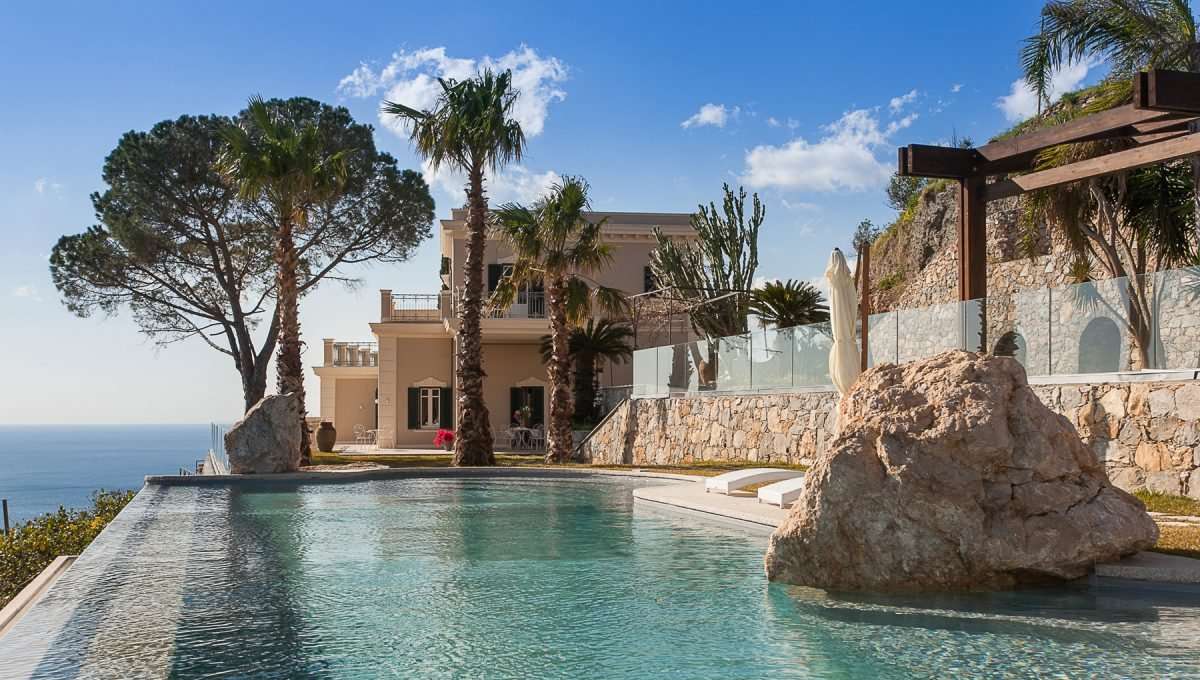
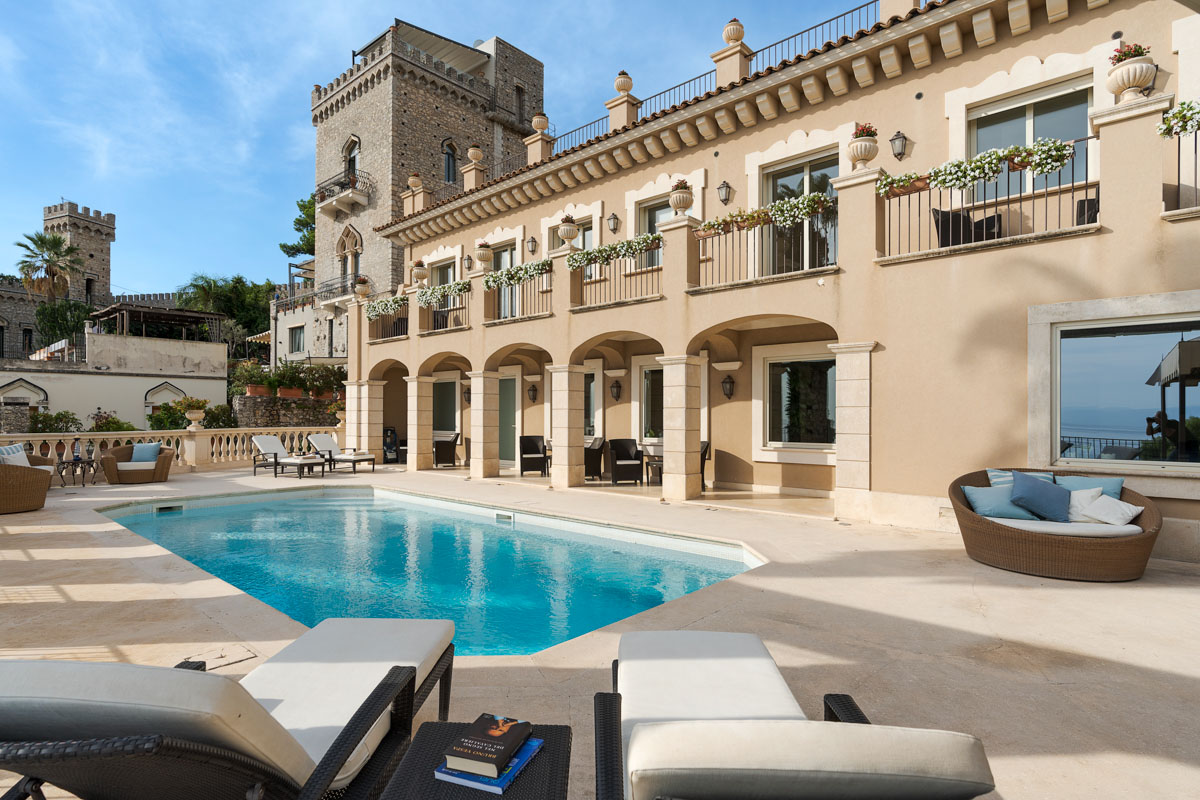
Eastern Sicily gathers some of the island's greatest treasures within easy reach of each other. Taormina sits on a terrace high above the Ionian Sea with Mount Etna smoking on the horizon, while further south lie the island city of Ortigia in Siracusa and the golden baroque towns of the Val di Noto. Villas range from cliffside retreats to restored estates among citrus groves and vineyards.
The coast suits travellers who want a mix of culture, food, wine and sea. Couples love Taormina's elegance and Ortigia's evening atmosphere, while families appreciate the beaches south of Siracusa and the adventure of Etna. With Catania airport at the centre, everything is well connected and a week passes very quickly.
Ideal for: Couples, Families, Culture and food · Varied, from volcano hikes to long lunches by the sea

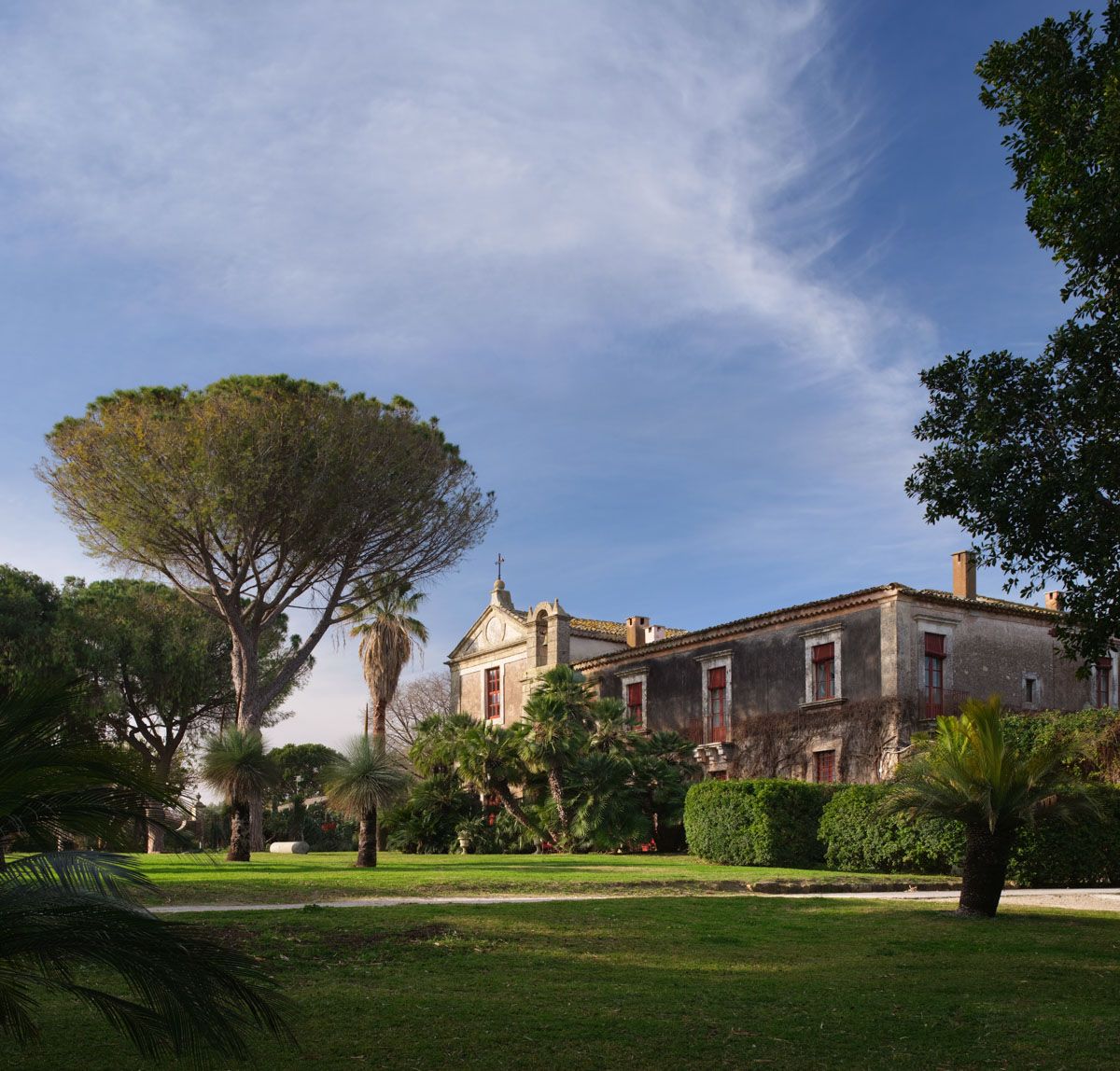
Sicily's busiest airport and the main gateway for the east coast
smaller airport with domestic and seasonal European routes, handy for the south east
limited domestic flights, an option for the Messina side
We arrange private transfers, drivers, boats and helicopters for every villa.
An elegant hill town of gardens, boutiques and terraces with sweeping views of the sea and Etna.
The bays below Taormina offer easy swimming and beach clubs, linked to the town by cable car from Mazzarò.
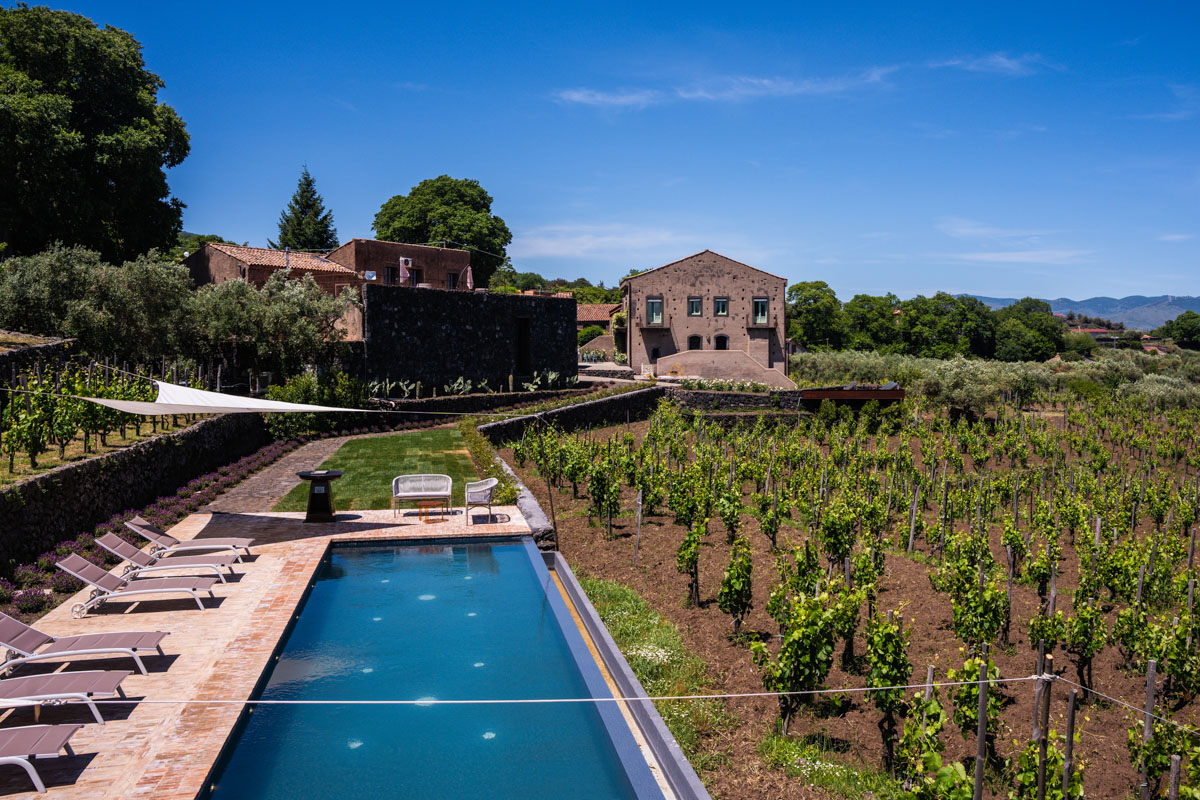
Vineyard estates and lava stone farmhouses on the volcano's slopes, cooler in summer and wonderful for wine lovers.
The ancient island heart of Siracusa is a maze of limestone palazzi, piazzas and sea swimming platforms.
Baroque Noto is surrounded by almond groves and citrus estates, close to the beaches of the south east tip.
A tiny fishing village built around an old tuna fishery, lively on summer evenings and close to wonderful beaches.
Positions are approximate: the exact address is shared once your stay is confirmed.
The ancient Greek theatre, later rebuilt by the Romans, frames Etna and the sea in one of the most famous views in Italy. It still hosts concerts and festivals in summer.
Europe's tallest active volcano is listed by UNESCO and can be explored by cable car, four by four and on foot with a qualified guide. Its lava fields, craters and vineyards change with every altitude.
The Duomo was built around a Greek temple of Athena, whose Doric columns are still visible in its walls. Nearby, the Fountain of Arethusa grows papyrus at the water's edge.
The great Greek theatre, Roman amphitheatre and the cave known as the Ear of Dionysius make up one of the finest ancient sites in the Mediterranean. Siracusa and the Pantalica necropolis are listed together by UNESCO.
Rebuilt after the earthquake of 1693 as a planned baroque town, Noto glows gold at sunset along Corso Vittorio Emanuele. It belongs to the UNESCO listed Late Baroque Towns of the Val di Noto.
A tiny island joined to the shore by a sandbar below Taormina, now a nature reserve with a house and garden. The swimming around it is beautiful.
A river has carved a gorge through basalt columns formed by ancient lava flows. In summer you can wade into the icy water.
Lagoons, dunes and an old tuna fishery between Noto and Marzamemi, home to flamingos and herons. Its beaches are among the loveliest in Sicily.
With an authorised volcano guide, hike towards the summit area and walk among recent lava flows; conditions and access depend on volcanic activity.
Visit wineries on the north slope around Randazzo and Castiglione di Sicilia to taste Nerello Mascalese grown on lava soils.
Circle the island at sunset and explore the sea caves along the coast south of Siracusa.
The morning market behind the cathedral is noisy and theatrical, a vivid introduction to Sicilian food.
Start the day as locals do with an almond or mulberry granita and a warm brioche.
Watch Greek tragedies performed in the ancient theatre where they were staged more than two thousand years ago.
A small cove of fine sand between two headlands, reached on foot through the reserve.
Pebble bays with crystal water at the foot of Taormina, with beach clubs and boats for hire.
A long white sand beach south of Siracusa with turquoise water, popular with families.
A wide sandy beach near Marzamemi with gentle water and good beach clubs.
At Sicily's southern tip, where the Ionian meets the Mediterranean, a wild beach faces a tiny island with a lighthouse.


Catania's classic of pasta with fried aubergine, tomato and salted ricotta.
A semi frozen ice made with almonds, pistachios, lemon or coffee, served with a soft brioche.
Golden fried rice balls, conical in Catania, filled with ragù, butter and ham or pistachio.
Intensely green pistachios grown on Etna's lava slopes, found in pastries, pesto and gelato.
A crisp fried pastry tube filled with sweet ricotta just before serving.
Sweet cherry tomatoes from the sunny south east tip of the island.
Fragrant lemons grown around Siracusa, used in granita, salads and seafood dishes.
Elegant reds from Nerello Mascalese and mineral whites from Carricante, grown on the volcano's slopes.
Nero d'Avola based reds from the countryside around Noto and Pachino.
A fragrant sweet or sparkling Moscato, lovely with almond pastries.
A rare golden dessert wine with an ancient history.
A tiny village above Taormina with even wider views and a famous almond wine.
Two hilltop villages made famous as filming locations for The Godfather.
Baroque hill towns with superb churches and Modica's distinctive cold processed chocolate.
A lively baroque city built of black lava stone, with a great market and street food scene.
A limestone gorge honeycombed with thousands of rock tombs, perfect for walking and river swimming.
May to October, with swimming into November. Spring is perfect for touring.
April and May bring orange blossom, wild flowers on Etna and warm days ideal for sightseeing. The sea is cool but inviting by late May.
June to August are hot and sunny, perfect for the sea, festivals and evenings in Ortigia and Taormina. Etna's higher slopes offer cooler air.
September and October bring warm sea, the grape harvest on Etna and fewer visitors. It is many travellers' favourite season.
Mild on the coast, with snow often covering Etna's summit and skiing on its slopes. Taormina is calm and some hotels and restaurants close.
Bars: hours of sunshine a day. Above: average daytime high. Below: sea temperature. Shaded: the best months.
| Month | Jan | Feb | Mar | Apr | May | Jun | Jul | Aug | Sep | Oct | Nov | Dec |
|---|---|---|---|---|---|---|---|---|---|---|---|---|
| Daytime high, °C | 15 | 15 | 17 | 19 | 23 | 28 | 31 | 31 | 28 | 24 | 20 | 16 |
| Night low, °C | 10 | 10 | 11 | 13 | 17 | 21 | 24 | 25 | 21 | 18 | 15 | 11 |
| Sea, °C | 16 | 15 | 15 | 16 | 18 | 22 | 26 | 27 | 26 | 23 | 20 | 17 |
| Sunshine, hours a day | 4.6 | 5.5 | 6.7 | 7.4 | 9 | 10 | 10.8 | 10.1 | 7.7 | 6.4 | 5 | 4.1 |
| Rainy days | 11 | 10 | 9 | 7 | 4 | 3 | 2 | 2 | 7 | 8 | 11 | 12 |
| Dry days | 20 | 18 | 22 | 23 | 27 | 27 | 29 | 29 | 23 | 23 | 19 | 19 |
Air: averages 1991 to 2020, Messina weather station. Sea: average surface temperature at Taormina. Dry days have less than 1 mm of rain.
Tell us your dates and the group: we reply with availability and the full price, usually within one working day, and arrange transfers, chefs and boats.
Catania (CTA), about an hour away by car. It has many direct flights from across Europe and is also convenient for Siracusa and Noto.
Yes, when following the rules. Access to the summit areas is regulated according to volcanic activity, and the higher zones require an authorised guide.
Taormina offers glamour, views and easy access to Etna. Siracusa and Noto suit those who prefer baroque towns and sandy beaches. For a week or more, splitting the stay works beautifully.
The beaches directly below Taormina are mostly pebbly, while Giardini Naxos has more sand. For long sandy beaches, head south to the coast around Siracusa and Noto.
About 1h30 by car on the motorway, making it a feasible day trip, though Ortigia rewards an overnight stay.
Register as a trade partner for your private area, villas of the month and quotes in one place.